Tonight's moon
Drag to explore the far side
Today’s phase · 3D surface explorer
NASA’s Scientific Visualization Studio · LROWaxing gibbous
99% lit · Day 13.8 of the cycle
Already up at sunset
- Next full moon
- Mon, Oct 26
- Next new moon
- Mon, Nov 9
ASTRONo. 298
Explore tonight's moon and planets, upcoming astronomical events and the latest space exploration news.
A universe in motionScroll down. Let the stars make way.
TonightSangam-dong, Seoul
Times are calculated for Sangam-dong, Seoul. Hills and buildings may affect when objects come into view. Planet positions are for 9:00 PM. Moonlight and nearby lighting also affect sky brightness.
Today’s phase · 3D surface explorer
NASA’s Scientific Visualization Studio · LROWaxing gibbous
99% lit · Day 13.8 of the cycle
Already up at sunset
Computed 4:07 PM · Astronomy Engine
From spaceNews from space
This week's stories, picked by our editors. The originals live with each agency and outlet.
Exploration
Story of the week
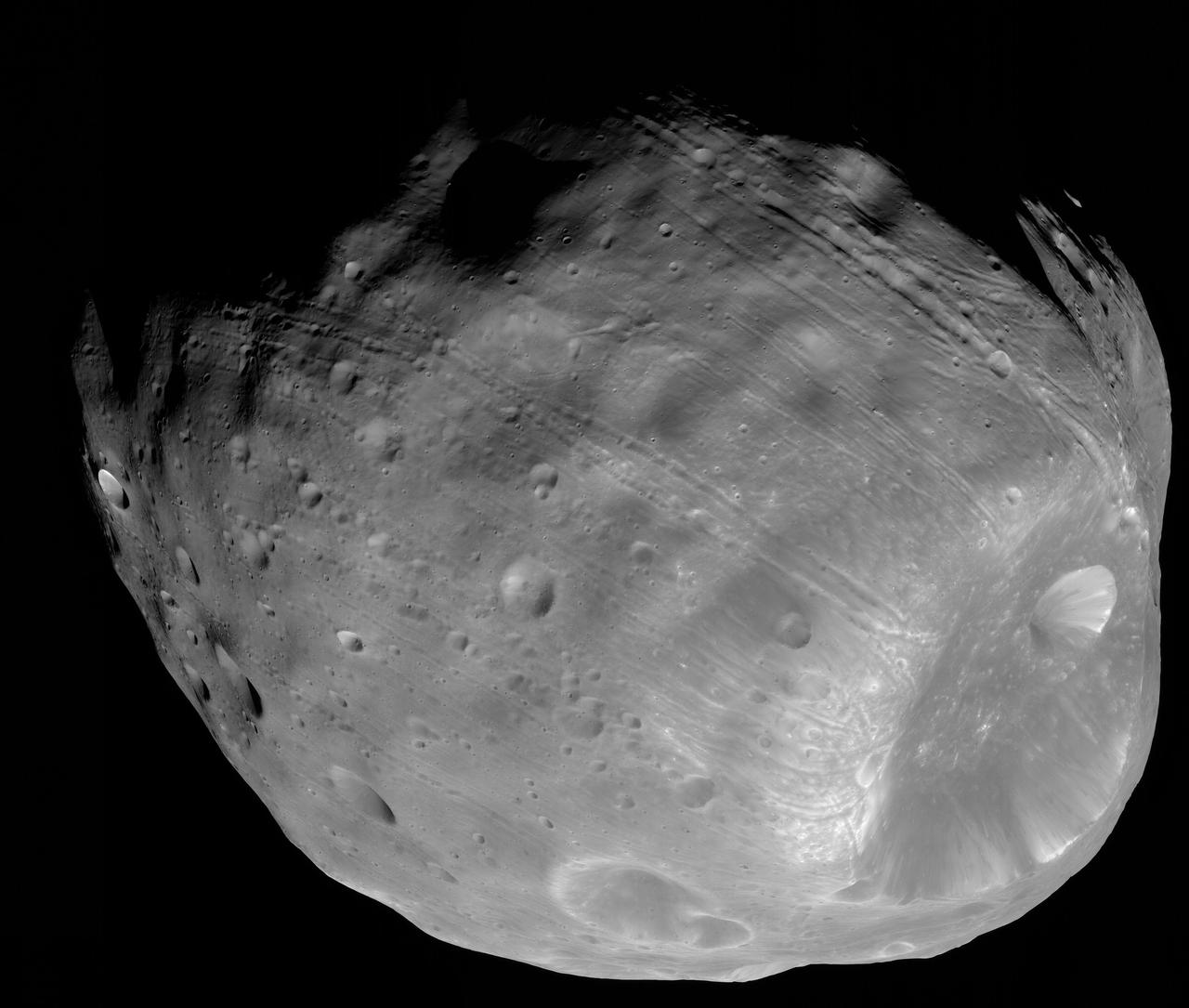
JAXA launched its Martian Moons eXploration spacecraft before dawn from Tanegashima Island, and the probe separated from the rocket's upper stage on schedule about an hour later. It will gather at least 10 grams of Phobos surface material and deliver it to Earth in 2031.
No mission has yet returned samples from Mars or its moons.
Source · AP (News4JAX)
Solar system
A telescope hunting dark matter caught a comet along the way.
Source · ESA
Astronomy
A black hole and a cluster collision drew this note together.
Source · NASA
Astronomy
A millisecond flash sent out 3 billion years after the big bang.
Source · NASA
Korea in space
South Korea's Nuri rocket made its fifth flight on 7 October, carrying 15 satellites and releasing them at about 570 km altitude. All five main-payload microsatellites deployed normally, and one soon made first contact via King Sejong Station in Antarctica. One cubesat failed to detach, so 14 of the 15 reached their target orbit.
Source · MTN 머니투데이방송
Exploration
NASA's preliminary science report on the 6 April lunar flyby says the astronauts spotted five tiny pinpricks of light from 46,000 miles away, each from a rock no more than a couple of inches across. The crew also watched the Sun stay hidden behind the Moon for 54 minutes.
Source · NASA
Solar system
Each southern spring and summer on Mars, a water-ice cloud up to 1800 km long streams downwind of the 20-km-tall Arsia Mons volcano. Modelling based on data from three Mars Express cameras suggests ice particles may form directly from water vapour without dust or other seed particles, a process called homogeneous nucleation.
Source · ESA
Night sky
Saturn reached opposition on 4 October, rising around sunset and staying up for much of the night. The Orionids, debris from Halley's Comet, peaked on the night of 21 to 22 October, and on the night of 27 to 28 October the Moon passes close to the Pleiades.
Source · NASA
Beyond the visible
NASA / ESA / CSA · WEBB ARCHIVE
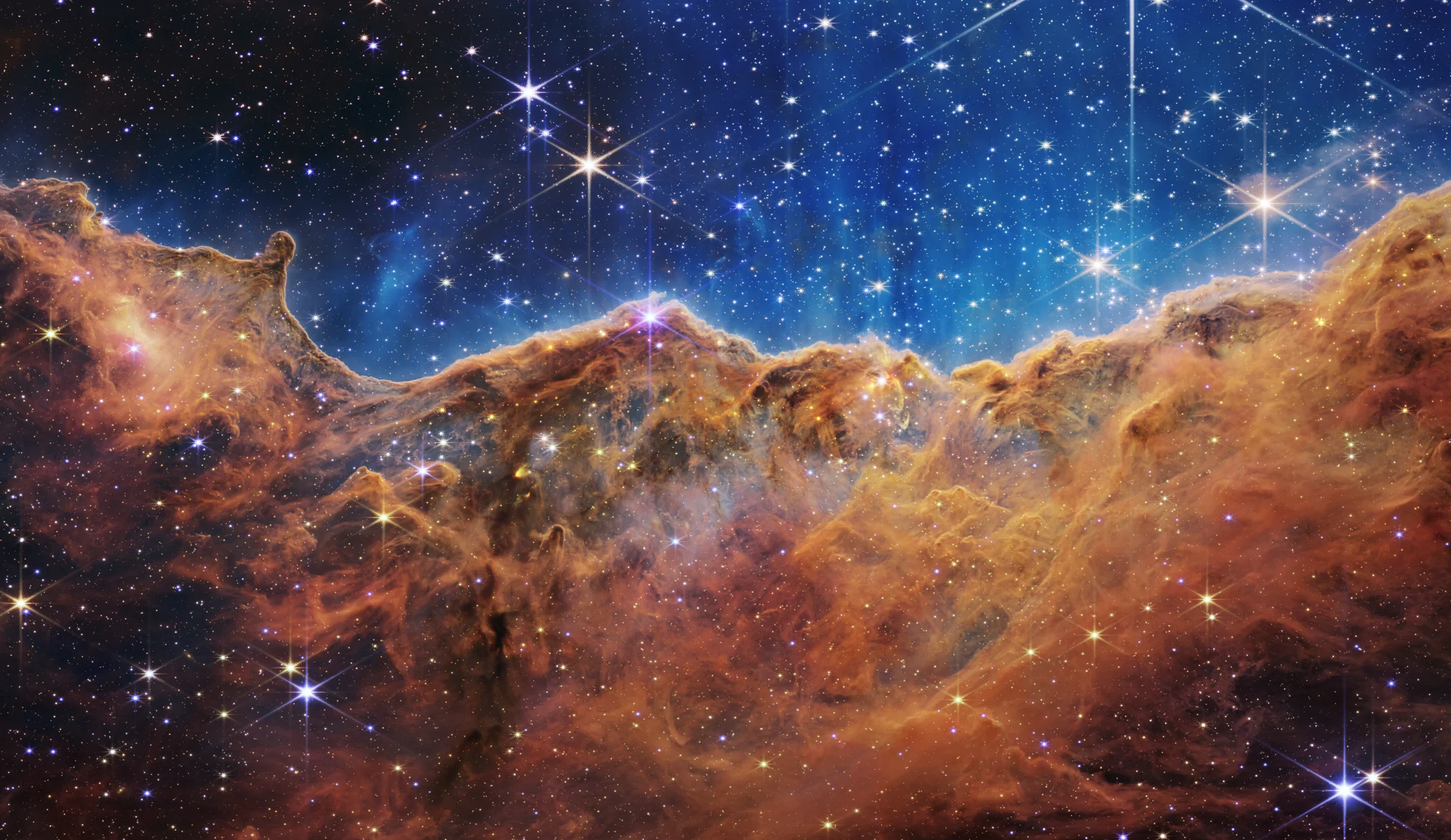
WEBB / NIRCam 01 / 03
NGC 3324 in Carina, about 7,600 light-years away. Light and winds from young stars sculpt these immense clouds.
Sky calendarComputed with Astronomy Engine
The days the moon changes shape, the planets shine their best and the seasons turn, written down ahead.
Up all night, round and bright
1:12 PM
Half the disc lit
5:28 AM
The Moon and planet appear 1° apart in the sky.
10:37 PM
The Moon and planet appear 0.5° apart in the sky.
7:47 AM
No moonlight: the darkest skies
4:02 PM
Half the disc lit
8:48 PM
Around the peak · the moon is 55% lit and hides faint meteors
8:31 AM
20° from the Sun: best seen in the morning, low in the east
8:35 AM
Up all night, round and bright
11:54 PM
The Moon and planet appear 1.1° apart in the sky.
5:27 PM
The Moon and planet appear 3° apart in the sky.
1:57 AM
Half the disc lit
3:09 PM
Launch scheduleLaunch Library 2
Launch times move often. Times are in Korea Standard Time; launches with only a date show no time.
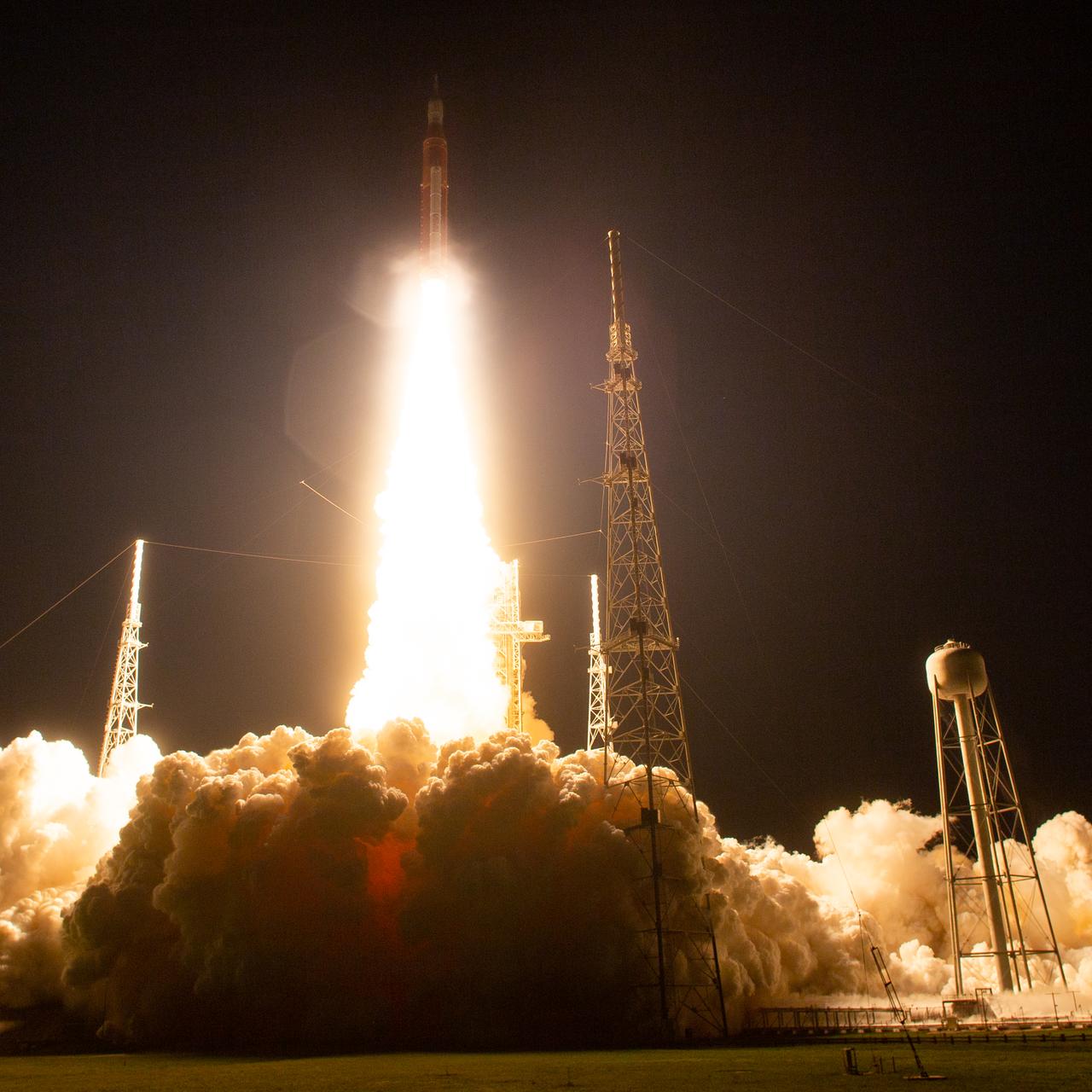
Next launch inGo for Launch
01d21h37m00s
SpaceX · Low Earth Orbit
Go
SpaceX · Vandenberg SFB, CA, USA
TBC
Indian Space Research Organization · Satish Dhawan Space Centre, India
TBD
China Aerospace Science and Technology Corporation · Jiuquan Satellite Launch Center, People's Republic of China
TBD
Rocket Lab · Rocket Lab Launch Complex 1, Mahia Peninsula, New Zealand
Go
SpaceX · Vandenberg SFB, CA, USA
TBC
SpaceX · Vandenberg SFB, CA, USA
Schedule updated Oct 25, 3:21 PM
Close approachesNASA NeoWs
Asteroids passing close to Earth in the next seven days. Distances count the Earth-Moon distance (about 384,000 km) as 1.
Lunar period compressed to 40 seconds · Earth imagery NASA/Goddard Space Flight Center/Reto Stöckli ↗
44 this week
Closest pass
11.0 lunar distances
4,241,000 km · Oct 29, 1:15 AM KST · About 81–180 m across · 9.3 km/s
'Potentially hazardous' is a class defined by size and orbit; it does not mean an impact this time.
NASA NeoWs updated Oct 25, 3:21 PM
Sunday letter
What to look for in the coming week and three stories our editors picked. Unsubscribe any time in one click.
Subscriptions are not open yet. Email addresses entered here are not saved.
AboutASTRO
ASTRO shares night-sky observing information and space exploration news in Korean and English.
Every number and story carries its original source.
We calculate celestial positions and use official sources for launch schedules.
Read the same observing information and space news in Korean and English.